
The Craft · A 7-Minute Read
How We Make It
Seven steps. One flame. No shortcuts.
Chapter One
The Meat Matters
I t begins with two animals: beef and lamb. The blend is not accidental — lamb brings the fat and the funk, beef brings the structure. Separately, either is fine. Together, they are döner.
The meat is hand-spiced in the kitchen, not the freezer. Paprika, sumac, cumin, garlic, grated onion, and a generous pour of thick yogurt. The yogurt is the secret — its enzymes soften the muscle fibers without breaking them.
Then it rests. Cold. Undisturbed. For twenty-four hours. There is no shortcut that beats time.
The Seven Steps
From Cold Meat To Hot Döner
Marinate
Yogurt, onion, paprika, sumac, cumin. 24-hour cold rest.
Stack
Hand-layered onto the vertical spit by the kilo.
Ignite
Charcoal + gas blend — smoke for depth, gas for control.
Rotate
Slow, patient turns. Never rush the caramelization.
Baste
Rendered fat brushed back into the crust. Nothing wasted.
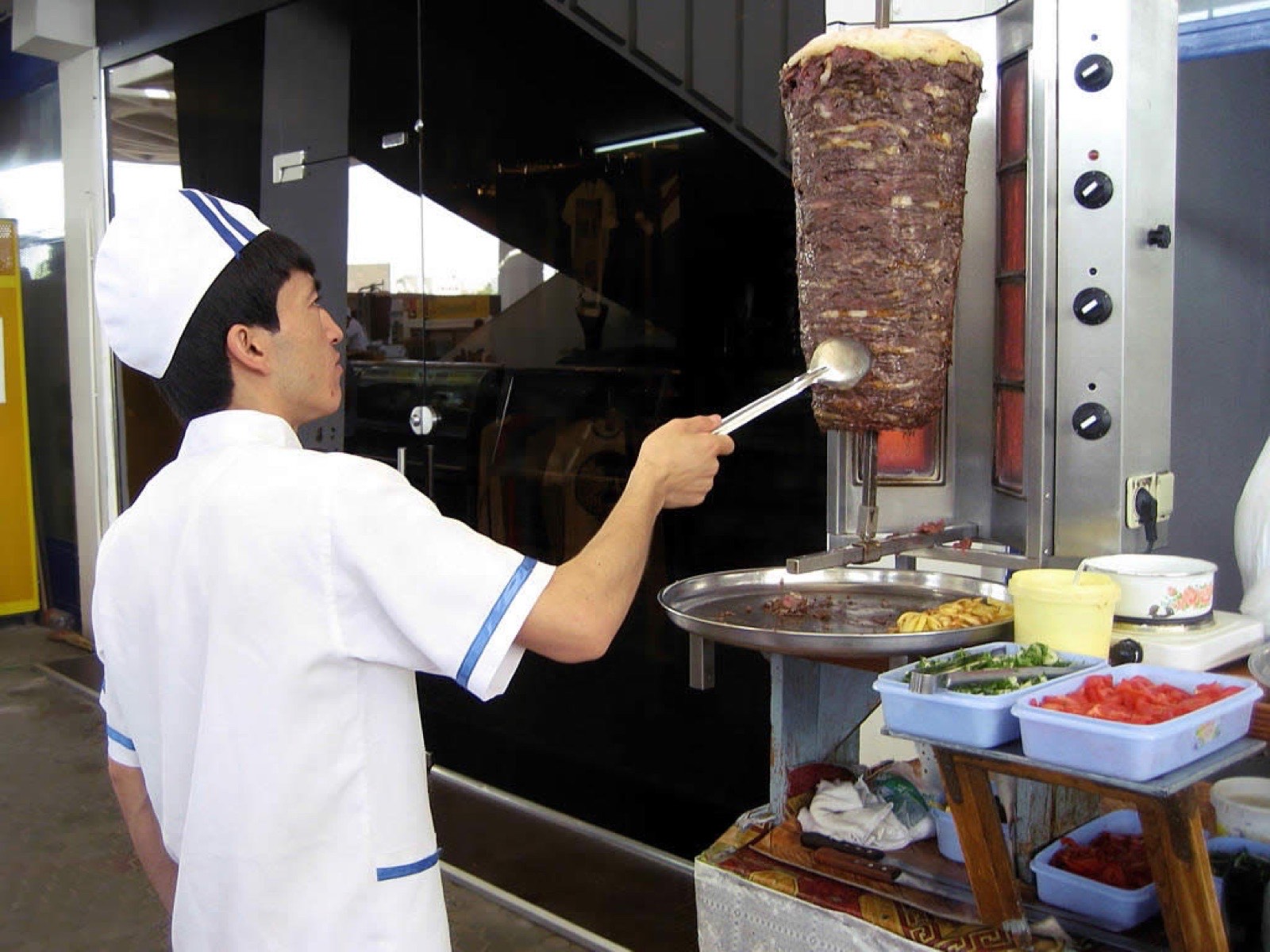
Carve
Long knife, one slice at a time. Never a machine.
Serve
Hot. Wrapped. To order. Within seconds of the cut.
Real döner is not a fast food.— Baba, Head Cook · Established 2024
It is a slow art that serves fast.
Chapter Two
The Fire Must Be Patient
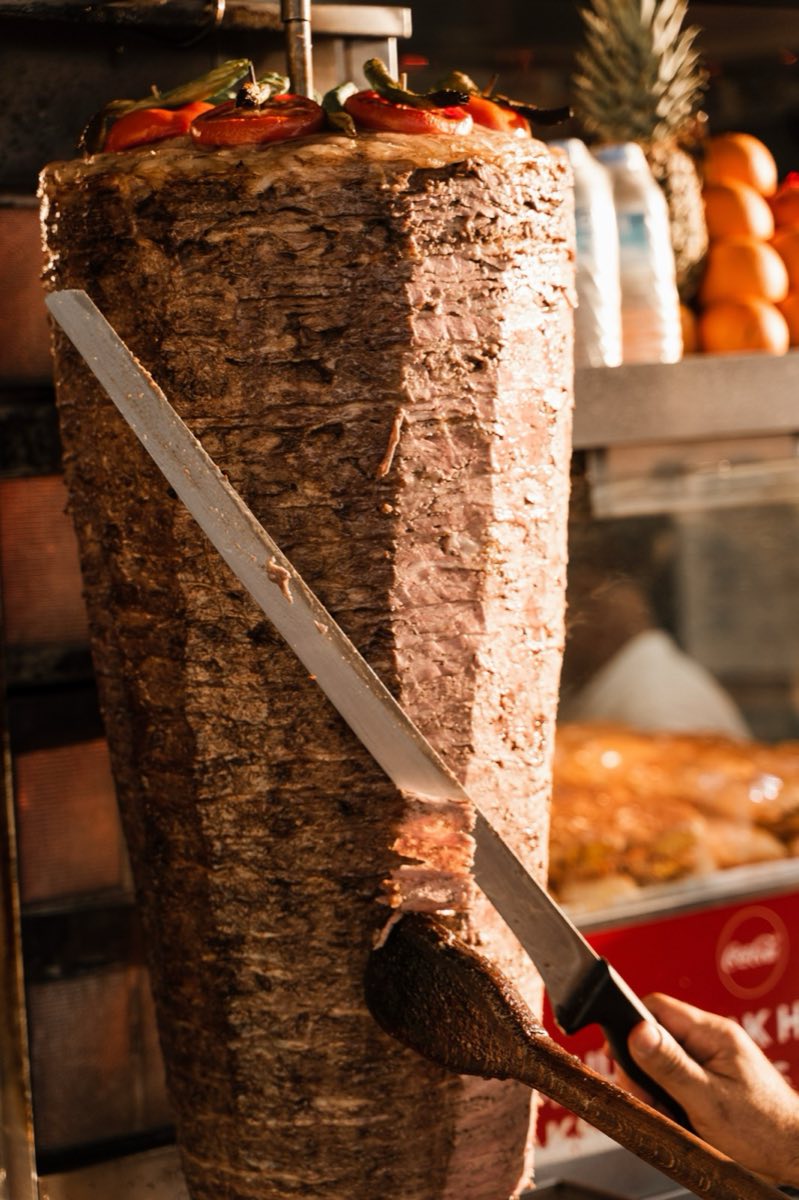
T he spit is vertical, not horizontal. That matters. Gravity pulls the rendered fat down through the stack, basting every layer below in flavor that would otherwise drip to the floor.
The flame is a blend — charcoal for smoke depth, gas for precise temperature control. It kisses the meat from the side, never from below. The outer crust caramelizes slowly while the inner meat stays quiet and juicy.
If the flame is too hot, you burn the outside and leave the inside raw. If the flame is too cool, the crust never forms. There is no dial for patience — only experience.
Chapter Three
One Slice At A Time
The knife is long. Thirty centimeters of carbon steel. The hand that holds it has held it every day for more hours than it has held anything else.
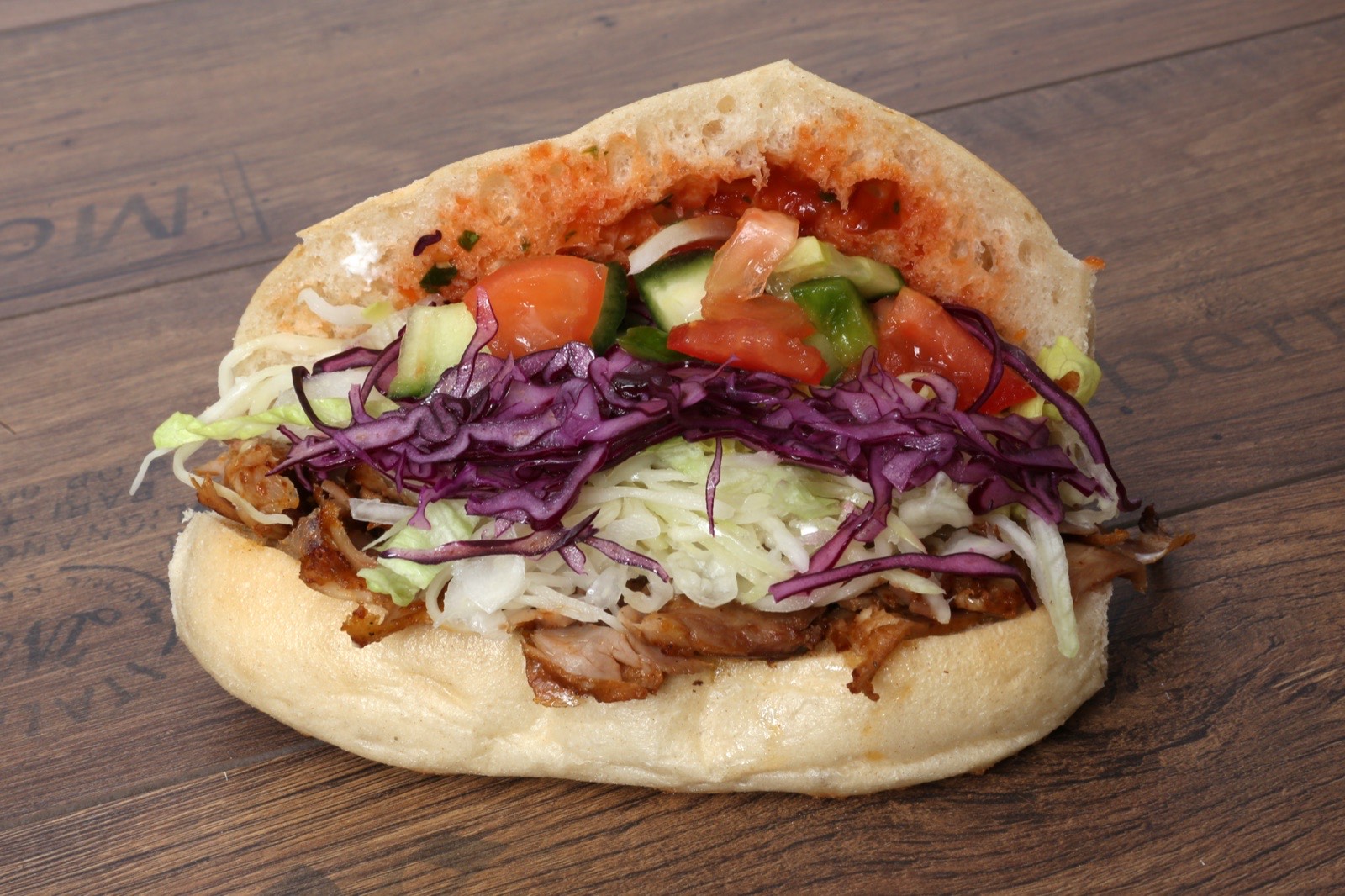
Each slice is thin enough to let the light through. Thin enough that the crispy caramelized crust comes with it, and the juicy interior meets the pita in the same bite. A machine slicer can make the cut — it cannot make the slice.
The moment a slice falls from the spit, it has somewhere to be. A pita. A plate. A bowl. Hot. Fast. That is the whole discipline: slow in the fire, fast in the service.
Marination
Daily Cook Time
150 Portions Daily
Shortcuts